Exile on Main St. — Heat, Chaos, and the Birth of Something Eternal
Made in a half-lit basement on the French Riviera, Exile on Main St. is gospel dragged through dirt and rock and roll soaked in humidity. Here’s why it still feels alive—and why an original U.S. Artisan pressing is the only vinyl you really need.
12/1/20252 min read

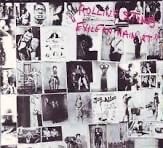
Exile on Main St. — Heat, Chaos, and the Birth of Something Eternal
Exile on Main St. wasn’t made in a studio.
It was made in a half-lit basement.
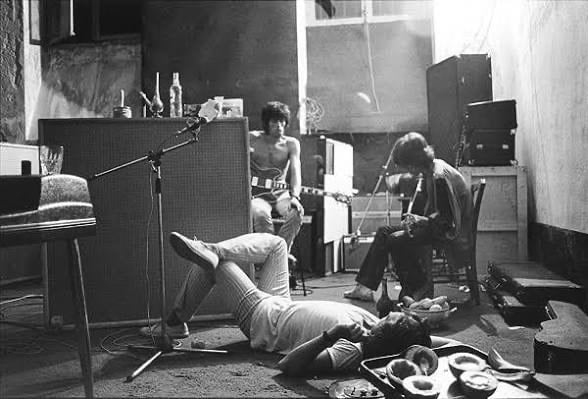
In 1971, the Rolling Stones fled the U.K. for tax reasons and settled at Villa Nellcôte, a decaying mansion on the French Riviera—ornate upstairs, humid and claustrophobic below. The basement was a maze of rooms: concrete walls sweating in the summer heat, cables running like vines, amps stacked wherever they would fit, the air thick with dust and cigarette smoke.
The sessions were disorganized, irregular, sometimes barely functional. People drifted in and out. Songs were built slowly, often accidentally. Keith Richards lived upstairs, his bedroom a revolving doorway of musicians, interruptions, habits, and inspiration. The atmosphere was chaotic in a way that would destroy most bands—but for the Stones, that volatility became the record.
The sound of Exile reflects that environment:
Heat. Murk. Groove.
Nothing polished. Everything lived-in.
It’s gospel dragged through dirt. Blues recorded through a film of humidity. Rock and roll that feels like it’s coming out of a basement window at 3AM.
The album shouldn’t work.
But it does—because the tension inside Nellcôte is baked into every second of the music.
What to Buy — The Only Vinyl Version That Matters
You don’t need a matrix guide.
You don’t need a collector map.
You just need one thing:
Buy an original U.S. pressing with the Artisan mastering mark.
That’s the whole recommendation.
Look in the dead wax or ask your online seller to look for the little Artisan “drum / spaceship” logo on all four sides.
Pressing plant doesn’t matter.
Label variation doesn’t matter.
The Artisan cut is the sound of Exile on Main St.—the real record, the real atmosphere, the real basement.
(Early UK copies use the same Artisan mastering, but U.S. copies are easier to find, cheaper to ship, and sound just as good.)
That’s it
A Note for Collectors
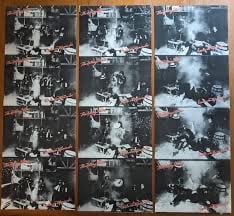
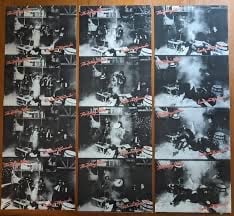
If you happen to find a clean early copy, they originally came with 12 postcards tucked inside—a detail now rarely seen in current releases. They aren’t essential for sound, but they’re a striking piece of Exile history and a great visual artifact for anyone who cares about album design.
Very Highly Recommended